
Design Studio, Girls' Rooms, Graphic Design, Kid's room design
Lola the Ladybird — how it all began
Feb
Lola the Ladybird didn’t start as a character.
She started as something straightforward.
A tiny bug.
One of those little creatures kids instantly notice when they’re outside.
On a leaf. On the grass. On a sleeve.
Something small, harmless, familiar — and somehow magical.
Children love ladybugs.
They get excited.
They stop.
They look closer.
That moment stayed with me.
I wanted to create something that feels exactly like that feeling — curiosity, closeness to nature, and pure joy without effort. No big story, no noise. Just a small, friendly presence.
That’s how Lola the Ladybird emerged.
Not as a princess.
Not as a superhero.
Not as a global character designed to impress.
But as a simple bug — cute, charming, friendly.
Someone children don’t feel intimidated by. Someone who feels safe. Someone who belongs to their world.
Lola was never meant to perform.
She was meant to be there.
And that was the beginning.
How Lola Slowly Became a Character
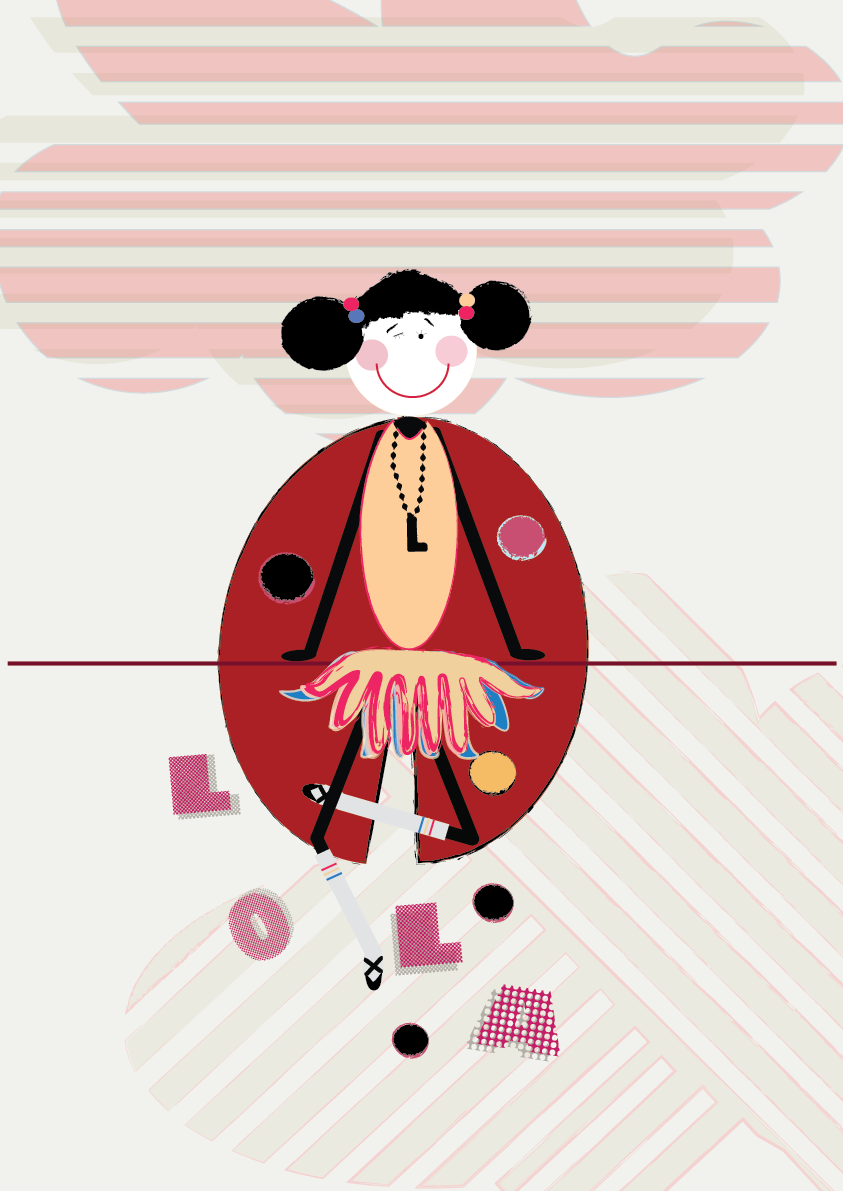
At first, Lola was just a ladybug.
Simple. Quiet. Almost still.
But slowly, she started to move.
Not because I planned it — but because movement is what children do.
They don’t stay still for long.
They search. They test. They try. They fall.
They are curious, always looking for something just a little bit further.
Lola began to impersonate that attitude.
Curiosity came first — the need to see what’s behind the next corner, above the clouds, somewhere higher, closer to the sky.
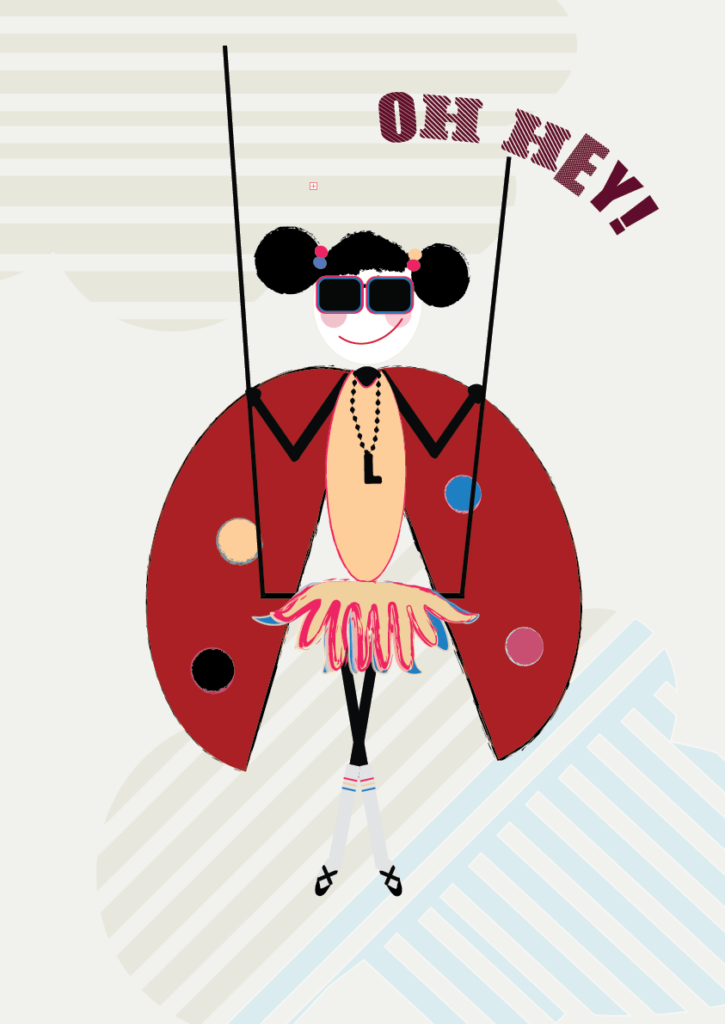
She started to move through air and light, carried by wind, floating, swinging, sometimes almost flying.
Then came exploration — reaching for stars, juggling balls, flying a kite without worrying where it might land.
She hangs, she swings, she dances — sometimes ballet, sometimes spontaneous movements with ribbons catching the air, following no rules at all.
She plays with balloons, enjoys an ice cream, licks a lollipop, and pauses just to enjoy the moment.
And sometimes, she rests.
Lola snoozes.
She drifts.
She lets the clouds pass.
Because childhood is not only motion — it’s also softness, pauses, and quiet moments in between.
Adventure followed naturally — movement without a destination, action without a goal. Just the joy of being in motion.
Lola didn’t become a character through decoration or styling.
She became one through attitude.
A quiet search for originality.
A natural way of being.
A character shaped by curiosity rather than perfection.
That’s when she stopped being just a bug —
and started becoming someone children could recognise themselves in.
Why Lola Is for Girls — But Not “Girly”
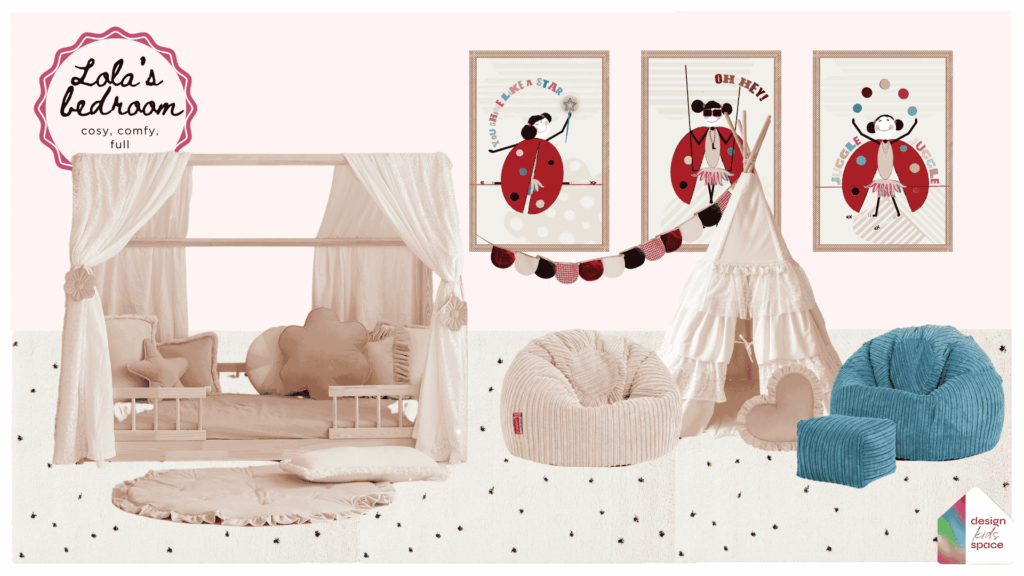
Lola is for girls — but not in the way we’re used to seeing.
She’s not pink because she has to be.
She’s not gentle all the time.
She’s not waiting to be admired.
Girls can relate to Lola because she allows everything at once.
She can be crazy and calm.
Cute and bold.
Inspiring and messy.
Dreamy and constantly on the move.
She’s discovering the world the way real girls do — by going out, looking around, trying things, getting distracted, getting excited, changing moods.
Lola doesn’t represent an idea of a girl.
She reflects girls as they are.
That’s why she feels familiar.
That’s why so many girls see themselves in her — without needing to be told how.
From Nature Into Rooms and Walls
Lola was born in nature — but she didn’t stay there.
Over time, she slowly moved indoors.
Not to replace play or imagination — but to accompany it.
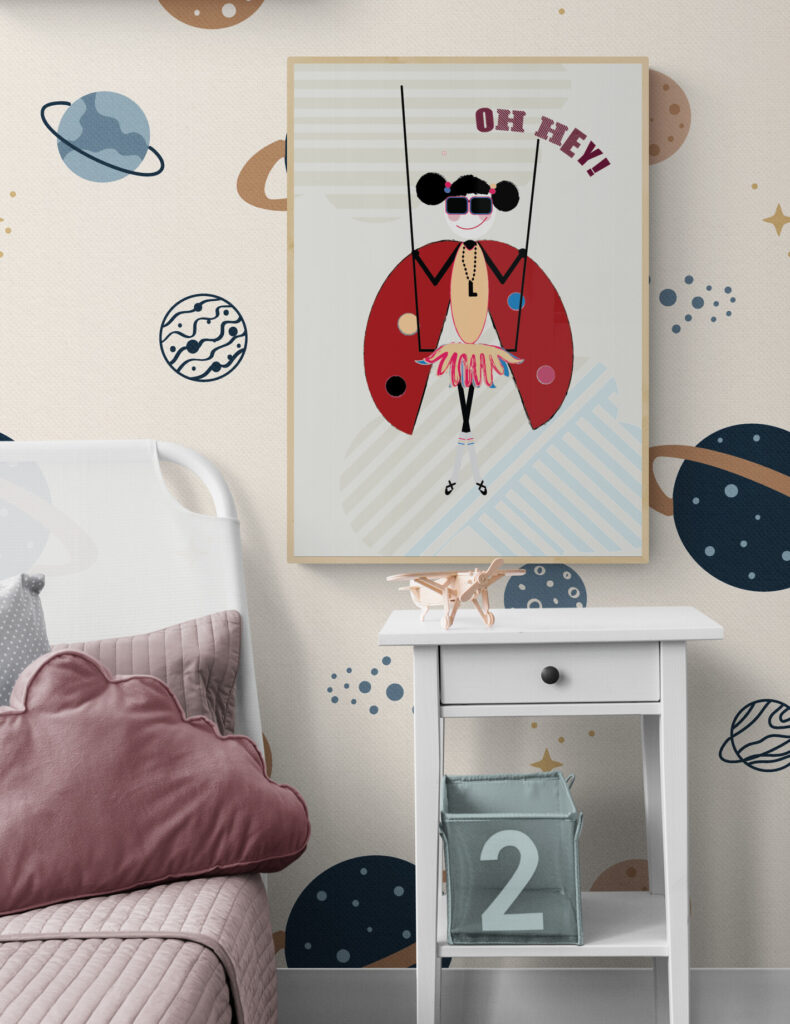
I started placing her on walls, in rooms, in quiet corners where children spend time growing.
Where they rest.
Where they play.
Where they think.
On a wall, Lola doesn’t demand attention.
She’s simply present.
She becomes part of the room — just like a window, a favourite toy, or a view outside.
A gentle reminder of curiosity, movement, and freedom.
That’s how Lola found her place — not as decoration, but as a companion in a child’s everyday space.
And that’s where her story continues.
Gosia
a designer and illustrator, and the person behind Lola.
I create characters the same way I design interiors: slowly, intuitively, and with attention to emotion, not trends.
Lola grew from observing children, nature, and the small moments that often go unnoticed — the ones that feel ordinary, but stay with us the longest.
